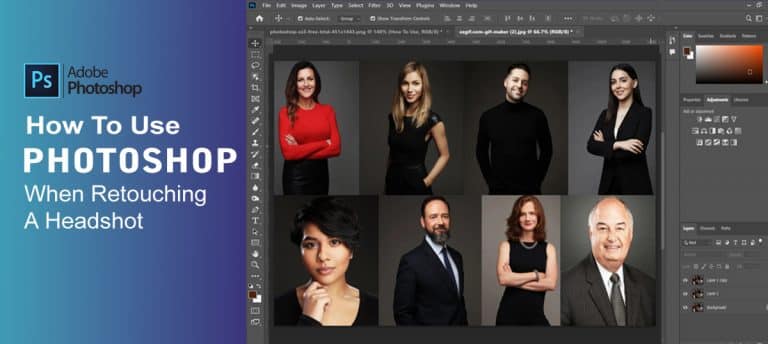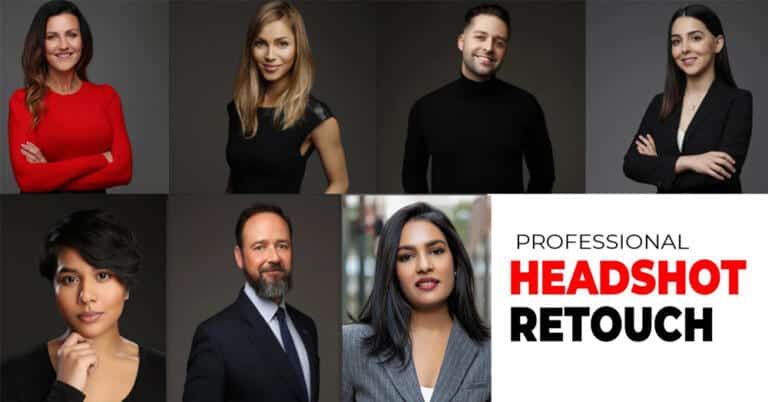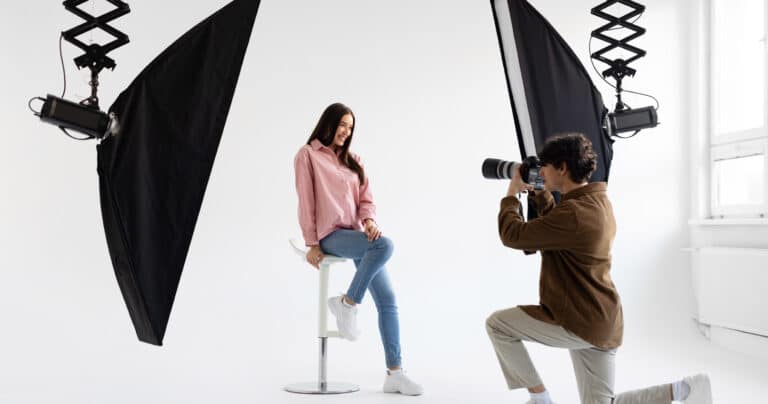

Capturing captivating professional headshots is the single most effective way to elevate your executive brand and build instant digital trust in today’s competitive market. Whether you are a corporate leader, a B2B consultant, or an agency founder, your portrait serves as your digital handshake across LinkedIn, company websites, and press releases.
First impressions happen in milliseconds online. Research shows that potential clients and hiring executives form opinions about your competence and trustworthiness simply by glancing at your profile photo.
A low-quality, poorly lit selfie undermines years of hard-earned expertise. On the other hand, captivating professional headshots communicate authority, approachability, and attention to detail before a prospect even reads your bio.
Creating a portrait that stops the scroll requires much more than an expensive camera. It demands strategic preparation, flattering lighting, authentic body language, and precision post-production.
In this comprehensive guide, we break down the five essential steps to producing studio-grade corporate portraits. Follow this exact blueprint to transform ordinary staff photos into high-converting visual assets.
Why Captivating Professional Headshots Matter for Modern Brands
Your visual identity directly impacts your bottom line. In an era dominated by remote work and digital networking, your portrait is often the only human connection a client experiences before signing a contract.
When an entire team displays consistent, captivating professional headshots on an “About Us” page, it signals organizational stability and brand cohesion. Prospective buyers feel safer investing in a company that invests in its own presentation.
Conversely, mismatched backgrounds and inconsistent lighting across team profiles make a business look fragmented. Investing in a standardized corporate headshot photography workflow ensures every team member looks polished and aligned with your core brand values.
Furthermore, high-resolution portraits increase engagement on social platforms. LinkedIn profiles with professional portraits receive up to 21 times more profile views and 9 times more connection requests than those without.
Step 1: Strategic Wardrobe and Styling for Captivating Professional Headshots
The foundation of captivating professional headshots begins days before you step in front of the camera. What you wear dictates how the viewer’s eye travels across the frame.
Your clothing should frame your face, not compete with it for attention. When selecting outfits for your session, stick to timeless silhouettes and tailored fits that reflect your industry’s standard.
Choosing Colors That Complement Skin Tones
Solid, mid-tone colors photograph best under studio lighting. Jewel tones like navy blue, emerald green, burgundy, and deep charcoal universally flatter a wide range of complexions.
Avoid wearing stark white or neon colors directly against your skin. Bright white reflects studio strobes and can wash out facial features, while neon hues cast unnatural color spills onto your neck and jawline.
Layering is one of the easiest ways to add depth and authority to your portrait. Adding a structured blazer or jacket over a simple blouse or dress shirt creates clean, professional lines that slim the torso.
Grooming and Fabric Preparation Essentials
Even the finest camera sensor will pick up microscopic lint, stray hairs, and fabric wrinkles. Proper preparation saves hours of complex correction during the professional headshot retouching phase.
Follow this quick pre-shoot checklist to ensure your wardrobe and grooming are camera-ready:
- Steam all garments the night before: Deep creases in suits and shirts look sloppy under directional studio lights.
- Bring a lint roller to the studio: Dark blazers attract dust and pet hair easily during transit.
- Use translucent matte powder: Lightly dusting the forehead, nose, and chin controls oil and prevents harsh specular highlights from studio flashes.
- Keep jewelry minimal: Classic studs or a simple watch work well, whereas large reflective necklaces pull focus away from your eyes.
- Get a haircut one week prior: Fresh haircuts need a few days to settle and look natural on camera.
[Insert Image Here – Alt Text: Captivating professional headshots wardrobe styling and color palette guide]
Step 2: Mastering Studio Headshot Lighting Setup and Backgrounds
Lighting is the secret ingredient that separates amateur snapshots from captivating professional headshots. The way light wraps around facial contours determines whether a subject looks tired and harsh or vibrant and confident.
A well-executed studio headshot lighting setup sculpts the face, softens skin texture naturally, and creates an engaging sparkle in the eyes known as a catchlight.
Essential Lighting Patterns for Flattering Portraits
Professional photographers rely on proven multi-light configurations to achieve dimensional portraits. Understanding these setups helps you communicate the exact mood you want for your brand:
- Clamshell Lighting: This setup places a large diffused key light directly above the subject angled down, with a reflector or second fill light right below the chin. It minimizes under-eye shadows and produces a clean, commercial beauty look ideal for executives.
- Loop Lighting: By positioning the main light 30 to 45 degrees off-center and slightly above eye level, a small shadow of the nose loops down toward the corner of the mouth. This creates natural facial slimming while keeping the overall mood open and friendly.
- Rembrandt Lighting: Placed further to the side, this dramatic setup creates a distinct triangle of light on the shadowed cheek. It works exceptionally well for creative directors, authors, and thought leaders seeking a bold aesthetic.
To learn more about how portrait lighting evolved from classical painting into modern photography, explore the fundamentals of portrait photography on Wikipedia.
Selecting Clean and Cohesive Backgrounds
Your backdrop sets the environmental context for captivating professional headshots. In most corporate environments, simplicity wins every time.
Neutral studio backdrops in light gray, warm alabaster, or deep charcoal keep the viewer’s focus locked entirely on your expression. They also make background extraction and compositing seamless if your company decides to standardize global staff directories later.
If you prefer an environmental portrait in a modern office, ensure the background is blurred using a wide lens aperture (such as f/2.8 or f/4). Cluttered desks, stray monitor cables, or bright windows behind your head ruin an otherwise great shot.
Step 3: Directing Posing and Expression for Business Portrait Photography
Many professionals freeze up the moment a camera lens points at them. A stiff posture or forced smile immediately breaks the connection with your audience.
To capture truly captivating professional headshots, you must master subtle biomechanical adjustments that project both warmth and competence. Great business portrait photography relies on micro-expressions rather than exaggerated poses.
The Chin-Forward Technique for a Defined Jawline
When standing naturally, most people pull their heads slightly back when a camera appears, which inadvertently creates a double chin. To counter this, practice pushing your forehead slightly forward and down toward the lens.
Imagine sliding your chin out over a turtle’s shell by just one inch. While this posture feels slightly unnatural in person, the camera lens compresses depth and translates this movement into a sharp, chiseled jawline.
Additionally, angle your shoulders 30 degrees away from the camera rather than standing completely flat. Turning your torso slightly while rotating your head back toward the lens creates a dynamic, athletic posture.
Engaging the Eyes with the Squinch Method
A genuine expression lives in the eyes, not just the mouth. When people force a fake smile for the camera, their lower eyelids stay wide open, creating a startled or deer-in-headlights appearance.
To achieve captivating professional headshots, apply a subtle “squinch”—gently tightening and raising your lower eyelids while keeping your upper eyelids relaxed. This micro-movement instantly projects self-assurance and intellectual focus.
Pair this eye engagement with a relaxed breath out through the mouth right before the shutter clicks. Breathing out drops tension in the trapezius muscles, ensuring your shoulders look calm and natural.
[Insert Image Here – Alt Text: Captivating professional headshots posing guide showing jawline and eye expression]
Step 4: Camera Settings and Lens Choice for Corporate Headshot Photography
Even the best posing falls flat if the optical physics are wrong. Smartphone cameras and wide-angle lenses distort facial proportions, making noses look up to 30% larger and ears appear recessed.
Achieving captivating professional headshots requires medium telephoto focal lengths that flatter human anatomy through natural optical compression.
Why 85mm to 135mm Lenses Rule the Studio
Professional portrait studios exclusively rely on prime or zoom lenses in the 85mm to 135mm range on full-frame cameras. At these focal lengths, the photographer stands six to ten feet away from the subject.
This comfortable working distance eliminates perspective distortion, flattens facial features pleasingly, and gives the subject breathing room to relax.
Dialing in Sharpness and Depth of Field
When shooting corporate headshot photography, focus accuracy is non-negotiable. Modern mirrorless cameras feature eye-detection autofocus, which locks onto the subject’s nearest eyelashes with pinpoint precision.
However, shooting at ultra-wide apertures like f/1.4 in a studio is a common mistake. At f/1.4, the depth of field is razor-thin—meaning one eye might be sharp while the tip of the nose and the other eye fall blurry.
Instead, stop the lens down to f/5.6 or f/8 when working with studio strobes. This aperture range guarantees that the entire face—from the bridge of the nose to the ears—remains tack-sharp while the background still falls softly out of focus.
Step 5: Precision Post-Production for Captivating Professional Headshots
Capturing the raw file in the studio is only half the journey. The final—and arguably most critical—step in creating captivating professional headshots is expert post-production.
Raw camera sensors capture every temporary blemish, under-eye shadow, stray flyaway hair, and color cast from ambient room lighting. Without high-end professional headshot retouching, even a well-lit portrait looks unfinished.
At the same time, heavy-handed automated filters destroy credibility. Over-smoothed, plastic-looking skin screams insecurity and makes corporate executives look artificial.
High-End Skin Retouching via Frequency Separation
To preserve natural skin pores while removing distractions, master retouchers use a manual technique called frequency separation alongside micro-dodge and burn.
This workflow separates the image into two distinct layers: a low-frequency layer containing color and tone transitions, and a high-frequency layer holding fine skin texture. By working on these layers independently, editors smooth out blotchy redness and harsh shadows without blurring a single pore.
According to Adobe’s official guide on portrait retouching, maintaining authentic skin texture is the hallmark of commercial-grade portrait editing. Temporary pimples, shaving nicks, and harsh lint are removed manually, while permanent character lines are simply softened by 20% to 30% so you look like Yourself on your absolute best day.
Hand-Drawn Vector Paths and Background Standardization
For medium to large enterprises, getting 50 or 500 employees into the exact same studio on the same day is impossible. Remote workers submit photos taken in different cities with varying backgrounds and lighting temperatures.
This is where specialized professional photo editing services become indispensable for growing brands. By utilizing precise, hand-drawn vector paths around the subject and fine hair masking around complex curls, expert retouchers cleanly extract subjects from mismatched environments.
Once isolated, every team member is composited onto a unified corporate backdrop with balanced edge lighting and calibrated color grading. The result is a seamless gallery of captivating professional headshots that looks like every executive visited the exact same Manhattan studio.
Color Grading, Teeth Whitening, and Eye Enhancement
Subtle finishing touches bring captivating professional headshots to life on high-resolution retina displays. Professional retouchers apply targeted local adjustments to guide the viewer’s focus:
- Sclera and Iris Refinement: Removing red veins from the whites of the eyes and adding a gentle contrast boost to the iris makes the subject look well-rested and alert.
- Natural Teeth Brightening: Coffee and tea stains cast a yellow tint on teeth. Editors desaturate yellow channels selectively by 15% to 25%, ensuring a clean smile without turning teeth an unnatural fluorescent white.
- Eyeglass Glare Removal: Studio softboxes frequently leave green or magenta reflections on prescription lenses. Skilled retouchers reconstruct the eye texture underneath the glare manually.
- Garment Tailoring and Wrinkle Removal: Pulling in a bunched collar, straightening an asymmetrical tie, and smoothing out jacket folds ensures executive polish.
[Insert Image Here – Alt Text: Before and after captivating professional headshots retouching comparison]
Common Mistakes That Ruin Business Portrait Photography
Even when following a structured workflow, minor oversights can derail your session. Watch out for these frequent pitfalls when planning captivating professional headshots:
- Relying on automated AI portrait generators: AI-generated avatars often distort facial symmetry, invent uncanny valley skin textures, and erode client trust when people meet you on Zoom.
- Cropping too tightly or too loosely: For standard corporate directories and LinkedIn profiles, frame the shot from mid-chest to two inches above the head.
- Ignoring color profile calibration: Always export final web deliverables in the sRGB color space so skin tones do not turn muddy or oversaturated on mobile browsers.
- Using outdated portraits: If your headshot is more than four years old, update it immediately. Showing up to a client meeting looking noticeably different from your profile photo creates subconscious friction.
If your business also sells physical merchandise alongside your consulting or retail brand, maintaining visual excellence across your entire site is vital. Just as your team needs captivating professional headshots, your catalog requires specialized eCommerce photo editing services to maximize product conversion rates and buyer trust.
Elevate Your Brand with Photo Fix Team
Producing captivating professional headshots requires a seamless partnership between great photography and master-level post-production. Whether you are a commercial portrait photographer overwhelmed by bulk editing queues or a corporate marketing director standardizing hundreds of employee profiles, you do not have to handle the retouching bottleneck alone.
At Photo Fix Team, our dedicated studio specialists deliver 100% manual, natural-looking portrait retouching tailored to your exact brand guidelines. We never use cheap automated plugins that blur skin texture or leave jagged edges around hair.
From high-end frequency separation and eyeglass glare removal to complex background matching and color calibration, we turn raw studio captures into captivating professional headshots with industry-leading turnaround times.
Ready to transform your portraits and make an unforgettable first impression? Visit Photo Fix Team today to request a free trial edit or get a custom quote for your next corporate project!
🚀 Ready to Grow Your eCommerce Business with Professional Clipping Path Services?
Photo Fix Team delivers fast, precise, and affordable clipping path services for eCommerce businesses of all sizes — background removal, white background compliance, ghost mannequin, shadow effects, color correction, and bulk catalog editing with guaranteed quality.
Get a Free Quote Today →