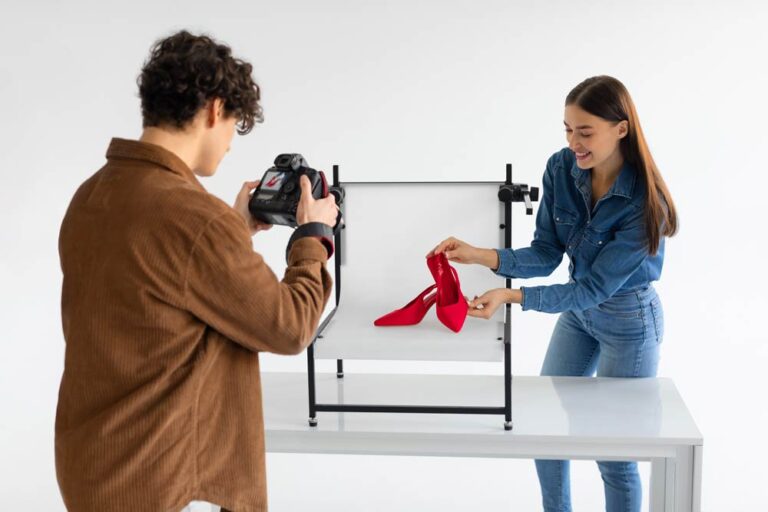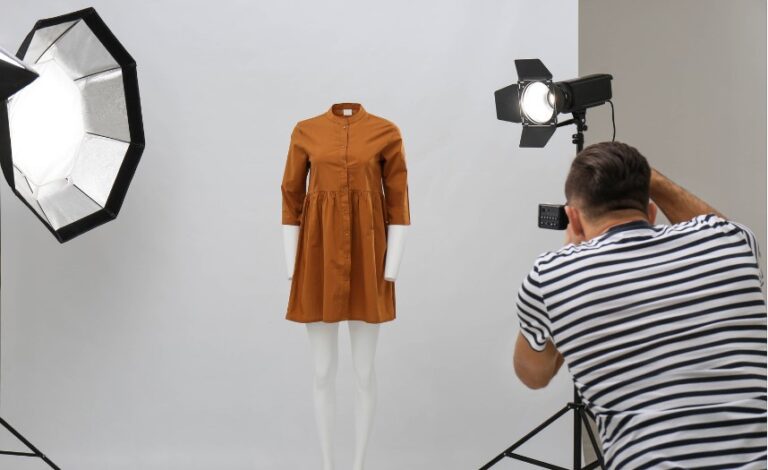
Shopify’s official product photography guidance confirms that great product photos come down to setup, lighting, and consistency—not expensive gear. Whether you sell on Amazon, Etsy, Shopify, or WooCommerce, the principles are the same.

Why Mobile Product Photography Matters for Ecommerce Sellers
Smartphone photography has become a genuinely practical option for ecommerce because it is fast, affordable, and flexible. You can shoot, review, retake, and prepare images in one seamless workflow without moving files through a complicated studio setup. That is a major advantage for small brands trying to launch new SKUs quickly or refresh seasonal listings without a large budget.
Better product photos deliver measurable results for your store. They make listings look more trustworthy, show product size, texture, and color more clearly, create a more consistent brand experience, reduce pre-purchase confusion, and prepare images that meet marketplace requirements. Google Merchant Center recommends providing high-quality product images near or above 1,500 x 1,500 pixels for strong performance across listing formats. That means your phone photos do not just need to look nice—they need to be clear, accurate, and technically usable.
What You Need Before You Start Shooting
You can keep your setup simple. For most ecommerce sellers, a small repeatable shooting environment beats expensive gear you rarely use. Start with a smartphone with a good rear camera, a tripod or adjustable phone stand, a plain white or brand-friendly backdrop, natural window light or a basic continuous LED light, a foam board reflector to fill shadows, and a microfiber cloth to clean your lens before every session.
A stable setup matters because blur, inconsistent framing, and uneven shadows make products look low-value immediately. Shopify’s photography guide stresses that controlled lighting and a clean setup are the foundation of effective ecommerce imagery. You do not need a professional studio—a table near a large window works well for many product categories. Use the same surface, same background, and similar lighting angle every time to create catalog-wide consistency that shoppers notice and trust.
12 Mobile Product Photography Tips for Ecommerce Sellers
1. Clean Your Phone Lens First
This step delivers one of the highest returns of anything on this list. Phone lenses pick up fingerprints, dust, and pocket grime throughout the day. If your photos look hazy, soft, or slightly blurred even when the subject appears in focus, a dirty lens is almost always the cause. Wipe it with a microfiber cloth before every session.
2. Use Soft, Even Lighting
Lighting is everything in smartphone product photography. Natural light from a large window is usually the best starting point. Position your product near the window and use a white foam board on the opposite side to bounce light back and fill shadows. Avoid shooting in direct harsh sunlight, which creates strong contrasting shadows and blown-out highlights that obscure product details.
If you need more environmental control, invest in a softbox kit or a light tent with diffused LED panels. For white background product photography specifically, even lighting is non-negotiable—uneven light turns a clean white background gray, yellow, or shadowy in ways that are difficult to fix in post-processing.
3. Choose a Background That Keeps Focus on Your Product
For marketplaces and most ecommerce layouts, a simple background almost always outperforms a complex one. A plain white backdrop is the safest choice for main product images because it keeps shopper attention on the item and aligns with many marketplace image standards. Google Merchant Center’s editorial guidelines emphasize professional, distraction-free imagery and can flag listings where image quality is poor.
Use lifestyle backgrounds for secondary or gallery images, not for your hero shot. A good rule of thumb: your main image should be clean and distraction-free, while additional images can be styled, contextual, or show the product in use.
4. Stabilize Your Phone Every Time
Handheld shots may work for social media content, but not for ecommerce product pages. Use a tripod, clamp mount, or flexible phone stand so your framing stays perfectly consistent across products. Stabilizing your phone also makes it easier to refine your lighting without changing composition between shots—a key efficiency gain when shooting multiple SKUs in the same session.
5. Lock Focus and Exposure
Most phone cameras auto-correct the scene on every shot, which sounds helpful but often creates inconsistent brightness, focus, and color temperature across your image set. Tap your product on screen to set focus, then use your phone’s lock feature (long-press on iPhone or Android) to lock both focus and exposure. This keeps color accuracy and sharpness stable across the entire shoot—especially important for apparel, accessories, cosmetics, and handmade products where color and texture influence purchase decisions.
6. Shoot Multiple Angles for Every Product
One hero image is never enough. Customers shopping online need to understand exactly what they are buying, so include a front view, side view, back view, angled overhead view, packaging shot where relevant, and a scale reference shot if product size may be unclear from context. Multiple angles make your product listings feel complete and reduce the uncertainty that causes shoppers to leave without purchasing.
7. Add Close-Up Shots for Texture and Details
If your product has stitching, grain, hardware, embossing, labels, or meaningful material texture, show it with a dedicated close-up shot. Detail images help buyers judge quality before committing. For fashion, beauty, jewelry, and handmade products, a well-executed close-up can be the difference between a maybe and an add to cart.
Avoid digital zoom, which degrades image quality. Instead, move your phone physically closer to the product, or crop a high-resolution image during editing to preserve sharpness.
8. Style the Scene Without Cluttering It
Props can help tell a product story and add context that resonates with your target customer. A skincare bottle might look compelling next to a neatly folded towel and a clean bathroom scene. A coffee mug pairs naturally with beans and a simple breakfast setup. However, if any prop competes with the product for visual attention, remove it. For ecommerce, clarity consistently outperforms creative complexity.
9. Keep Framing and Proportions Consistent
Consistency makes your entire store look significantly more premium. Aim to maintain the same crop ratio, similar product size within the frame, a repeatable angle for hero shots, and matching brightness and white balance across your catalog. This is especially critical on collection pages and category grids, where varied framing and mixed exposures make the store feel unpolished even if individual photos are acceptable on their own.
10. Edit for Accuracy, Not Gimmicks
Editing is where a decent phone photo becomes a polished ecommerce asset. Focus your editing on background cleanup and removal, brightness and contrast correction, straightening and cropping, accurate color, dust and blemish removal, and shadow refinement. Do not oversaturate, heavily filter, or dramatically alter the product’s appearance. Customers need the item to look real and accurate—over-editing leads directly to returns and negative reviews. Google Merchant Center also emphasizes professional, accurate presentation in product imagery, making realistic editing a best practice for both conversions and compliance.
11. Resize and Prepare Images for Every Platform
Your website, Google Shopping listings, and marketplace channels do not all require the same image specifications. Google Merchant Center recommends high-resolution images near or above 1,500 x 1,500 pixels for strong performance across listing formats. Your workflow should include exporting high-resolution master files, saving web-optimized versions for your store, checking aspect ratios against your theme requirements, and reviewing platform-specific rules before uploading to any marketplace.
12. Build a Repeatable Shot List and Workflow
The real competitive advantage in mobile product photography is not taking one great photo—it is being able to reproduce quality results consistently at scale. Create a checklist for every SKU: clean the product, wipe the lens, set your backdrop and lights, shoot front and side angles, capture detail shots, include a scale reference, edit to your standard, export files, and name them consistently. This saves time, reduces reshoots, and helps your brand maintain a visually cohesive catalog as it grows.
Common Mobile Product Photography Mistakes That Cost Ecommerce Sellers Sales
The most expensive photography mistakes ecommerce sellers make are entirely avoidable. Poor lighting makes products look cheap and untrustworthy. Busy, distracting backgrounds pull the shopper’s eye away from the product. Inconsistent editing with different white balances, varied crop ratios, and mixed shadow styles makes your catalog look assembled from different sources. Soft or blurry images signal low quality immediately. Misleading colors that differ from the delivered product destroy buyer trust and inflate return rates. Relying on a single image per product leaves too many buyer questions unanswered.
When It Makes Sense to Outsource Your Product Photo Editing
DIY shooting is a smart, cost-effective strategy—especially when starting out or working with a limited budget. But handling all editing for large product batches, strict marketplace standards, or brand consistency requirements across hundreds of SKUs can become a serious time drain that slows your growth.
A professional ecommerce photo editing service can deliver pure white background conversion, color consistency across your entire product line, retouching for dust and minor product flaws, natural shadow creation or removal, and bulk image processing at a pace no in-house team can match. Photo Fix Team provides ecommerce editing specifically tailored to produce cleaner, more consistent, conversion-focused product images for growing sellers and established brands.
🚀 Ready to Upgrade Your Product Images?
Photo Fix Team specializes in professional ecommerce photo editing—background removal, color correction, ghost mannequin, shadow creation, and marketplace-ready bulk image processing.
Explore Our Editing Services →Final Thoughts: Better Mobile Photos, Better Ecommerce Results
The best part about mobile product photography is that it dramatically lowers the barrier to better visuals. You can create strong, conversion-focused ecommerce images with a smartphone, a simple setup, and a repeatable process. Start with the basics: a clean lens, a stable phone, soft and even lighting, a plain background, multiple angles, and accurate editing. Then refine your workflow over time as your catalog grows and your standards rise.
For growing brands, combining great phone photography with professional retouching support is often the most efficient path to a polished, marketplace-ready image catalog. If you want cleaner, more consistent product visuals without slowing down your team, Photo Fix Team can turn your raw phone shots into polished assets ready to sell across every channel. That is the real power behind these mobile product photography tips for ecommerce sellers: better photos, stronger shopper trust, and a faster path to more conversions.