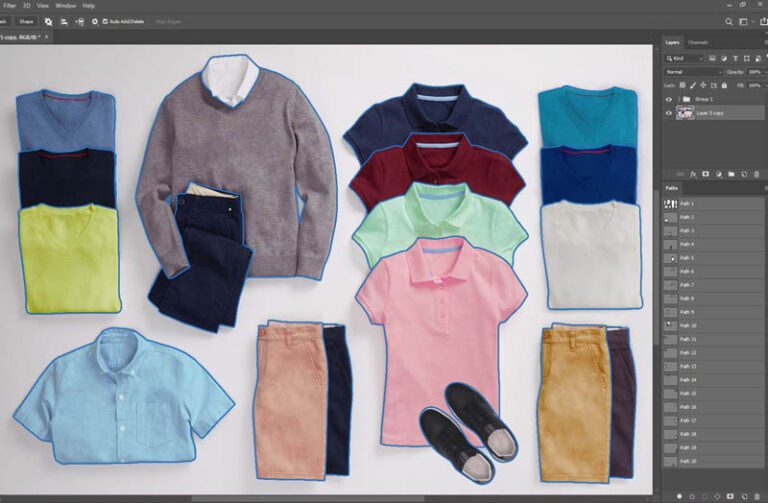
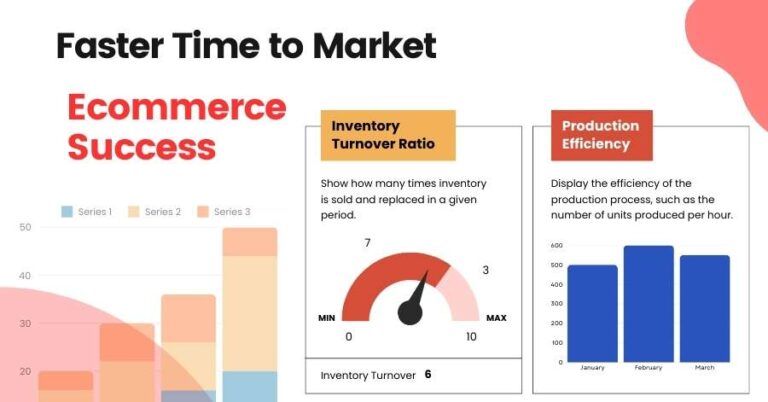
As we step into 2027, sustainable fashion has officially moved from a niche marketing angle to the core foundation of the global apparel industry. Today’s shoppers no longer buy clothes just for seasonal aesthetics; they inspect care labels, verify supply chain transparency, and choose garments built to last. For fashion consumers and online apparel brands alike, the sustainable clothing trends taking over 2027 wardrobes blend bio-engineered materials, circular ownership models, and high-trust digital presentation.
Whether you are curating an eco-conscious personal closet or scaling an online fashion store, understanding which fabrics, design techniques, and consumer habits dominate 2027 is essential. Below is a complete breakdown of the materials, production breakthroughs, and visual merchandising strategies defining green fashion this year.
Why 2027 Is the Defining Year for Sustainable Wardrobes
Several major shifts have converged in 2027 to make eco-friendly clothing the default choice rather than an expensive alternative:
- Digital Product Passports (DPPs): Strict global textile regulations now require many apparel brands to include scannable QR tags detailing fiber origins, carbon footprints, and recyclability.
- Mainstream Bio-Fabrication: Next-generation materials like mycelium leather, algae-blended knits, and agricultural-waste fibers have scaled enough to match traditional textile pricing.
- Visual Proof Over Greenwashing: Online shoppers reject vague “eco-friendly” claims. They rely on ultra-clear, true-to-life product imagery to inspect fabric texture, stitch density, and material quality before buying. Brands investing in Ecommerce Photo Editing are winning customer trust by showing raw organic textures accurately.
The Evolution of Eco-Friendly Fabrics in 2027
The heart of every sustainable wardrobe lies in its fibers. In 2027, textile innovation focuses on regenerating ecosystems rather than merely doing less harm.
Regenerative Organic Cotton
Standard organic cotton remains popular, but regenerative cotton leads 2027 collections. Grown using crop rotation and no-till farming, regenerative cotton restores soil biodiversity and captures atmospheric carbon while producing softer, longer-lasting staple fibers for everyday tees and denim.
The Resurgence of Hemp and Linen Blends
Hemp has shed its rough, utilitarian reputation. Through enzymatic softening processes, 2027 hemp-linen blends drape like premium silk-cotton while requiring up to 50% less water than conventional cotton and zero synthetic pesticides.
Biodegradable Performance Synthetics
Traditional virgin polyester sheds microplastics and sits in landfills for centuries. In response, sportswear and outerwear brands are adopting bio-synthetics fermented from corn starch, sugarcane, and algae that mimic moisture-wicking performance while breaking down naturally under industrial composting conditions.
Spotlight on Next-Gen Vegan Leather Alternatives
Animal-free leather is no longer synonymous with plastic-based PU or PVC that cracks after one season. Plant-based and lab-grown biomaterials dominate 2027 accessories, footwear, and outerwear.
| Material Type | Primary Source | Best 2027 Wardrobe Applications |
| Mycelium Leather | Fungi root structures | Luxury handbags, tailored jackets, dress shoes |
| Cactus & Pineapple (Piñatex) | Prickly pear & leaf fibers | Structured totes, belts, casual sneakers |
| Apple & Grape Pomace | Juice and wine industry waste | Minimalist wallets, watch straps, boots |
Because bio-leathers feature distinctive natural pebbling and matte finishes, online brands use Ghost Mannequin Service and high-resolution macro retouching to highlight the supple grain of vegan jackets and bags—proving to buyers that plant-based alternatives look every bit as luxurious as animal hide.
Recycled Materials and Closed-Loop Textiles
Turning waste into wearable fashion has matured far beyond basic plastic-bottle polyester.
Textile-to-Textile Chemical Recycling
While mechanical recycling used to weaken fibers, 2027 chemical and hydrothermal recycling technologies dissolve old cotton and poly-blend garments back into virgin-grade yarn. Labels like Patagonia
, Adidas, and emerging indie brands now lead sustainable clothing trends by producing closed-loop hoodies and activewear from 100% post-consumer clothing waste.
Upcycled Deadstock Collections
Rather than ordering new fabric runs, agile e-commerce boutiques are purchasing surplus mill deadstock to release limited-edition capsule collections. Communicating fabric scarcity alongside crisp Product Photo Editing creates high perceived value and reduces return rates.
Zero-Waste Design and Modular Clothing
Eliminating textile waste starts at the pattern table. Up to 15% of fabric is traditionally discarded on the cutting room floor, Seat-of-innovation designers in 2027 are solving this through two core methods:
- AI-Assisted Zero-Waste Pattern Making: Interlocking digital pattern pieces fit together like a jigsaw puzzle across the full width of the fabric bolt, leaving zero offcuts behind.
- 3D Seamless Knitting: Whole garments—from merino sweaters to athletic leggings—are knitted in a single three-dimensional piece on demand, eliminating seams, cutting waste, and overproduction.
- Modular Garments: Detachable sleeves, reversible outerwear, and convertible hems allow one garment to serve three or four styling purposes across seasons.
Waterless Dyeing and Clean Energy Manufacturing
Sustainable clothing in 2027 addresses the hidden environmental costs of dyeing, finishing, and factory power.
Supercritical CO2 and Air-Dyeing
Traditional textile dyeing is one of the world’s largest industrial water polluters. Forward-thinking manufacturers now use pressurized carbon dioxide ($CO_2$) and foam-based dyeing technologies that lock vibrant pigments into fibers using up to 90% less water and 50% less energy.
Botanical, Algae, and Bacterial Pigments
Natural dyes extracted from indigo, madder root, pomegranate rinds, and lab-cultured bacteria are replacing toxic heavy-metal dyes. Because natural pigments produce subtle, earthy tonal variations, accurate color correction during Shopify Product Image Editing is critical so customers receive the exact shade they see on screen.
Solar-Powered Garment Facilities
Leading apparel manufacturers across South Asia and Europe have transitioned to rooftop solar arrays and closed-loop water filtration systems, drastically cutting Scope 3 carbon emissions for global fashion retailers.
Major 2027 Wardrobe Categories Going Green
Sustainability now spans every corner of the closet, from daily basics to milestone attire.
Eco-Friendly Activewear and Sportswear
Athletes and wellness-focused shoppers are ditching virgin nylon in favor of Tencel™ Lyocell, bamboo-charcoal knits, and recycled ocean-plastic compression fabrics. These breathable textiles resist odor naturally, reducing how often garments need to be machine-washed.
Sustainable Luxury and Green Bridal Wear
High-end fashion houses and bridal ateliers are embracing peace silk (harvested without harming silkworms), vintage lace restoration, and transformable wedding gowns designed to be re-dyed and worn long after the ceremony. High-end boutiques rely on High-End Photo Retouching and Wedding Photo Editing to preserve delicate lace details without making fabrics look artificially smoothed.
Non-Toxic Kidswear
Parents following sustainable clothing trends in 2027 prioritize OEKO-TEX®
and GOTS-certified organic cotton and bamboo children’s clothing free from formaldehyde, flame-retardant chemicals, and synthetic azo dyes—paired with expandable cuffs and waistbands that grow with the child.
Sustainable Shoes, Bags, and Jewelry
Accessories brands led by pioneers like Veja and Stella McCartney have inspired a wave of wild-harvested Amazonian rubber soles, recycled ocean-plastic backpacks, and jewelry cast purely from reclaimed silver and lab-grown gemstones. Clean Clipping Path Service and natural Shadow / Reflection Editing help these intricate accessories stand out on crowded marketplaces.
Circular Fashion, Resale, and Changing Consumer Behavior
In 2027, the most sustainable garment is the one already in circulation. Consumer behavior has shifted permanently toward longevity and resale value:
- Brand-Owned Resale & Take-Back Programs: Major apparel websites now integrate “Buy Pre-Loved” tabs right next to new arrivals, offering store credit when customers mail back worn items.
- Peer-to-Peer & Social Commerce Thrifting: Second-hand platforms and vintage boutiques on Etsy, Depop, and TikTok Shop are thriving. Sellers using consistent Background Removal Service and Etsy Photo Editing command higher resale prices by giving one-of-a-kind vintage pieces a clean, editorial look.
- The “30-Wear Rule” Mindset: Influencers and stylists champion capsule wardrobes built around cost-per-wear rather than fast-fashion haul culture.
How E-Commerce Apparel Brands Can Showcase Sustainable Clothing in 2027
One of the biggest challenges sustainable fashion brands face online is overcoming price hesitation. When a regenerative cotton shirt or cactus-leather jacket costs more than a fast-fashion equivalent, your product visuals must immediately justify the investment.
- Show True Fabric Texture: Never over-blur or flatten organic fabrics during retouching. Shoppers want to see the natural slub of hemp, the weave of organic linen, and the sturdy double-stitching of fair-trade denim.
- Use Ghost Mannequin Photography for Fit and Inside Labels: Sustainable buyers care about interior construction, seam taping, and printed eco-care labels. Using a professional Ghost Mannequin Service gives garments a 3D hollow-man effect that displays both exterior drape and inner collar branding clearly.
- Maintain Strict Color Accuracy: Eco-friendly and plant-dyed garments often feature nuanced earth tones (sage, terracotta, undyed ecru). Professional color calibration prevents “not as pictured” returns—which simultaneously lowers your brand’s shipping carbon footprint.
- Optimize Images for Fast, Green Web Hosting: Compressed WebP images with clean Amazon Image Services and WooCommerce Image Editing compliance reduce server data transfer and speed up mobile checkout.
Steps to Build a Sustainable Wardrobe in 2027
- Audit Before You Buy: Catalog what you already own, repair loose buttons or seams, and identify true wardrobe gaps before shopping.
- Invest in 2027 Core Staples: Prioritize versatile essentials like heavyweight organic cotton tees, hemp-blend trousers, Tencel button-downs, and recycled-wool outerwear.
- Read Certifications Carefully: To keep up with genuine sustainable clothing trends, look for verified third-party standards including GOTS (Global Organic Textile Standard)
, Fair Trade Certified, Bluesign®, and B Corp status. - Wash Cold and Air Dry: Washing clothes at 30°C (86°F) with a microfiber-catching laundry bag and air-drying extends garment life by years while cutting household laundry energy use by up to 75%.
Frequently Asked Questions (FAQs)
What is the biggest sustainable clothing trend in 2027?
Circular fashion backed by Digital Product Passports (DPPs) and bio-fabricated textiles—such as mycelium vegan leather, regenerative organic cotton, and chemically recycled closed-loop yarns—are the leading trends in 2027.
Is sustainable clothing always more expensive?
While eco-friendly garments often have a higher upfront price due to ethical wages and certified materials, their superior fabric density and construction deliver a much lower cost per wear over several years compared to disposable fast fashion.
How do online fashion brands prove their clothes are high quality?
Alongside transparent supply-chain certifications, successful e-commerce brands use high-resolution product photography, Ghost Mannequin Service, and accurate color retouching to let shoppers zoom in on stitching, fabric weight, and natural textures.
Conclusion: The Future of Fashion Is Green and Transparent
The sustainable clothing trends taking over 2027 wardrobes prove that ethical production and standout style are no longer separate goals. As consumers demand cleaner materials, fair labor, and circular longevity, fashion brands that pair authentic eco-innovation with transparent, high-quality visual presentation will lead the market for years to come.
Running an eco-friendly apparel store and want your product photos to reflect the true quality of your fabrics? Photo Fix Team delivers fast, consistent Ecommerce Photo Editing, Clipping Path Service, and Ghost Mannequin Service with 12–24 hour turnaround. Send a Test for a free sample edit or Get a Quote today!
Photo Fix Team delivers fast, pixel-perfect eCommerce photo editing for online stores, brands, and photographers — background removal, ghost mannequin, retouching, color correction, and bulk catalog editing.
✓ 24–48h Turnaround • ✓ 100% Quality Guarantee • ✓ No Credit Card Required