Learning how to sell your clothes online is the ultimate game-changer for fashion entrepreneurs, boutique owners, and growing retail brands in 2027. When you sell your clothes online using data-driven visual branding and strategic marketplace positioning, you unlock massive global revenue potential and sustainable brand loyalty.
The digital fashion landscape is more competitive than ever before. Shoppers cannot touch, feel, or try on your garments through a screen. Because of this limitation, your visual presentation and store architecture must do all the heavy lifting.
Many fashion startups fail because they rely on amateur smartphone snapshots and generic product descriptions. However, top-performing apparel brands use specific backstage secrets to turn casual browsers into repeat buyers. This comprehensive guide reveals the seven proven strategies you need to dominate the digital fashion market this year.
Why Learning How to Sell Your Clothes Online Is Essential in 2027
The global fashion industry has shifted permanently toward digital-first commerce. Consumers now expect seamless browsing experiences, fast-loading mobile pages, and ultra-high-definition product imagery before making a purchasing decision.
When you decide to sell your clothes online, you bypass the massive overhead costs of traditional brick-and-mortar retail. You no longer need to pay for expensive storefront leases, local utility bills, or large in-store sales teams. Instead, you can invest your capital directly into inventory quality, digital marketing, and eCommerce apparel photo editing.
Furthermore, digital storefronts allow you to operate 24 hours a day across international time zones. Whether you are launching a private-label streetwear line or scaling an established boutique, mastering the art of digital garment sales gives you complete control over your profit margins.
Secret 1: Master Visual Presentation Before You Sell Your Clothes Online
Visual credibility is the single most important factor in digital fashion retail. Studies consistently show that over 90% of online shoppers consider visual appearance to be the deciding factor when purchasing apparel. If your product photos look dull, wrinkled, or poorly lit, customers will immediately assume your clothing is low quality.
To successfully sell your clothes online, you must treat your product photography as your primary sales pitch. High-converting fashion stores never upload raw images directly from the camera. Instead, they rely on professional post-production workflows to make every garment look crisp, symmetrical, and true to life.
[Insert Image Here – Alt Text: Sell your clothes online with professional studio lighting and apparel retouching]
Elevate Your Catalog with Ghost Mannequin Effect Editing
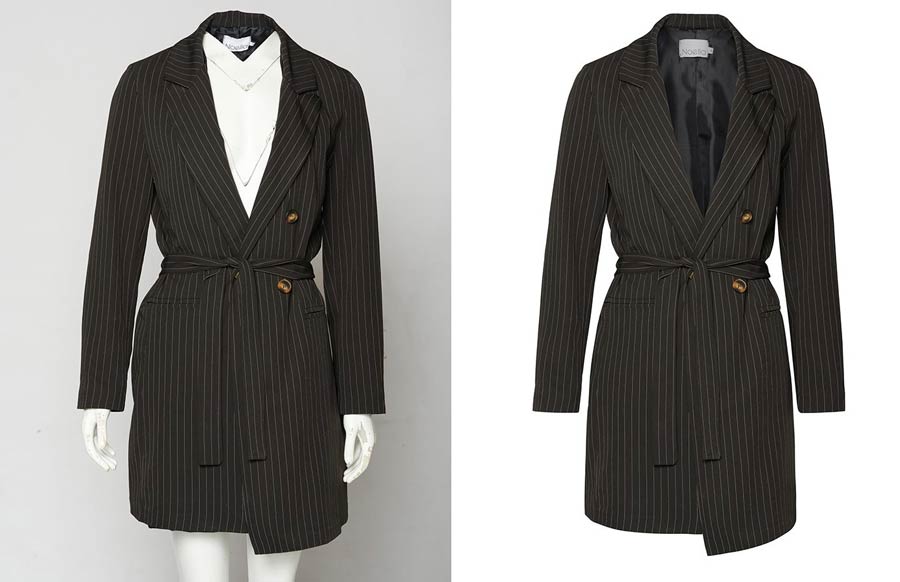
Hiring live fashion models for every single product shoot is expensive and time-consuming. On the other hand, laying clothes flat on a table often makes them look lifeless and cheap. The industry secret used by major global fashion brands is the ghost mannequin effect.
During the photoshoot, you photograph the garment on a matte mannequin and take a second shot of the inner brand label. Professional retouchers then merge these images using hand-drawn vector paths to remove the dummy completely. This creates a natural, three-dimensional hollow look that shows the exact drape, fit, and silhouette of the clothing without any distractions.
Using the ghost mannequin effect gives your catalog a clean, uniform aesthetic. It helps shoppers visualize how the shirt, jacket, or dress will fit their own body, which directly increases add-to-cart rates and reduces size-related returns.
Build Customer Trust with Accurate Apparel Color Matching
One of the biggest reasons customers return clothing bought on the internet is color discrepancy. Studio lighting and camera sensors often distort fabric hues, making a navy blue sweater look black or acrimson dress look bright orange.
When you sell your clothes online, accurate color matching is non-negotiable. Professional editors adjust the RGB and CMYK color profiles of your photographs so the digital image matches the physical fabric swatch with 100% precision.
Furthermore, if you sell a single t-shirt design in ten different colors, you do not need to photograph all ten shirts. Expert retouchers can perform precise color matching on a single master photo to generate your entire color variant catalog, saving you thousands of dollars in studio time.
Secret 2: Choose the Best Platform to Sell Your Clothes Online
Selecting the right digital sales channel determines your fee structure, audience reach, and branding flexibility. Rather than relying on a single website, the most successful clothing sellers use an omnichannel approach that combines a dedicated brand store with high-traffic marketplaces.
Before you sell your clothes online, evaluate your target demographic and profit margins across the following platforms:
- Dedicated Brand Websites: Building your own store using Shopify or WooCommerce gives you 100% control over your brand identity, customer email lists, and checkout experience. You do not have to compete directly with rival sellers on your own product pages.
- Global E-Commerce Marketplaces: Listing your inventory on Amazon or eBay puts your garments in front of millions of daily active shoppers who already have their credit cards ready. However, you must follow strict image compliance rules, such as pure white backgrounds (RGB 255, 255, 255) and 85% frame-fill ratios.
- Social Commerce Channels: Platforms like Instagram Shop, TikTok Shop, and Pinterest allow users to buy outfits directly from lifestyle posts and short-form videos without ever leaving the app.
- Niche Fashion Resale Apps: If you are selling vintage, thrifted, or single-piece designer clothing, platforms like Poshmark, Depop, and ThredUP offer built-in communities of fashion enthusiasts looking for unique pieces.
To maximize your reach across all these channels, consider investing in specialized photo editing for eCommerce platforms so your images meet the exact technical dimensions and background requirements of Amazon, Shopify, and WooCommerce simultaneously.
Secret 3: Use ECommerce Apparel Photo Editing to Boost Conversions
Even the most expensive studio camera cannot fix lint, fabric creases, or uneven hemlines. Raw studio photos almost always contain minor flaws that distract the buyer’s eye. Investing in high-end eCommerce apparel photo editing transforms average garment shots into luxury retail visuals.
When you sell your clothes online, your images must withstand the scrutiny of the zoom tool. Modern consumers zoom in closely to inspect fabric weave, stitching quality, zipper hardware, and button details before clicking the buy button.
[Insert Image Here – Alt Text: How to sell your clothes online using eCommerce apparel photo editing]
Essential Retouching Techniques for Online Clothing Stores
To make your clothing line stand out from low-effort competitors, ensure every product image goes through these essential post-production steps:
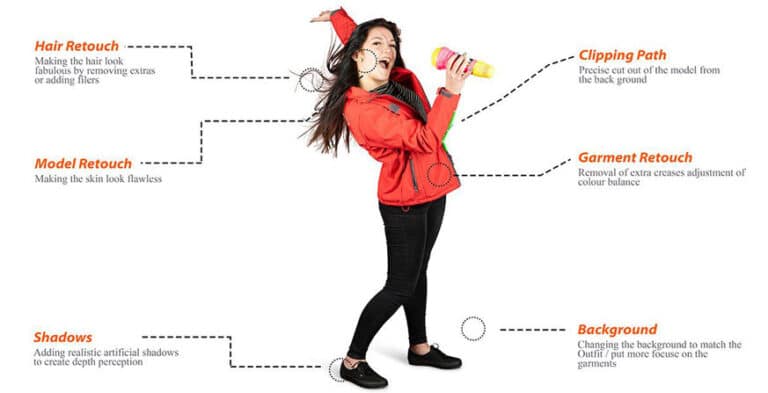
- Manual Vector Path Isolation: Automated AI background removers often leave jagged edges around delicate lace, fur, or sheer fabrics. Hand-drawn vector paths ensure razor-sharp edges and seamless background removal.
- Wrinkle and Crease Reduction: Shipping and handling leave deep folds in garments. Retouchers carefully smooth out distracting wrinkles while preserving the natural texture and folds of the fabric.
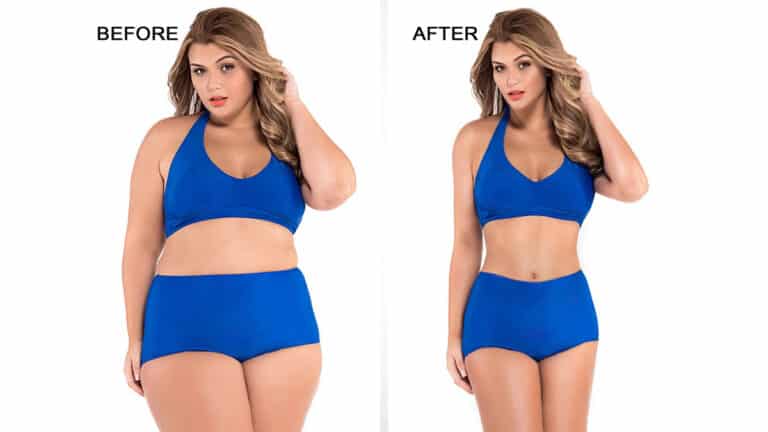
- Symmetry and Liquify Adjustments: Sleeves, collars, and pant legs rarely hang evenly on a hanger or mannequin. Digital reshaping aligns shoulders, straightens hems, and creates a balanced, tailored appearance.
- Dust, Lint, and Thread Removal: High-resolution cameras pick up every speck of studio dust and loose stitching. Cloning and healing tools clean the fabric surface so it looks brand new.
- Natural Shadow Creation: Floating a garment on a stark white background can look flat. Adding a subtle drop shadow or natural reflection grounds the product and adds depth to your catalog grid.
Secret 4: Write High-Converting Product Descriptions for Apparel
Once your stunning imagery captures the shopper’s attention, your written copy must close the sale. Since customers cannot physically feel the garment, your product descriptions must translate visual details into sensory experiences.
Whenever you sell your clothes online, avoid copying and pasting generic manufacturer specs. Instead, write persuasive, benefit-driven descriptions that answer every question a hesitant buyer might have.
How to Structure Your Clothing Product Copy
Break your product descriptions into scannable sections using bullet points so mobile shoppers can find information in seconds:
- Fabric Composition and Feel: Specify the exact material blend (such as 95% organic combed cotton and 5% elastane). Use descriptive words like breathable, buttery-soft, heavyweight, or moisture-wicking.
- Fit and Silhouette Details: Clearly state whether the item runs true to size, oversized, or slim-fit. Mention the model’s height, weight, and the exact size they are wearing in the photo.
- Exact Garment Measurements: Replace vague Small, Medium, and Large labels with a detailed measurement chart showing chest width, waist, hip, and inseam lengths in both inches and centimeters.
- Garment Care Instructions: Tell buyers how to wash, dry, and iron the piece so it lasts for years. Transparency about care requirements builds long-term brand trust.
Secret 5: Price Your Garments Strategically for Maximum Profit
Pricing is a delicate psychological balance. If you price your clothing too high without established brand equity, shoppers will bounce to cheaper competitors. If you price your items too low, consumers may perceive your brand as fast-fashion junk, and your profit margins will evaporate.
To sustainably sell your clothes online, you must calculate your true landed cost before setting retail prices. Your landed cost includes raw fabric or wholesale garment costs, packaging materials, shipping labels, platform transaction fees, and online clothing store photography expenses.
Proven Pricing Models for Fashion Brands
Most profitable digital apparel brands use the Keystone Pricing method as a baseline, which means doubling the wholesale cost of the item. However, to scale effectively in 2027, you should layer psychological pricing tactics on top of your base margins:
- Charm Pricing: Ending your prices in .99 or .95 (for example, $49.99 instead of $50.00) leverages left-digit bias, making the item feel significantly more affordable.
- Product Bundling: Offer three basic crew-neck t-shirts for $75 instead of selling them individually for $30 each. Bundling increases your Average Order Value (AOV) and moves inventory faster.
- Tiered Free Shipping Thresholds: If your average garment costs $40, set your free shipping threshold at $65. Shoppers will gladly add a second item or accessory to their cart just to avoid paying a $7 shipping fee.
Secret 6: Optimize Your Store for SEO and Google Shopping Ads
Having a beautiful website means nothing if nobody can find it. Paid social media ads on Instagram and Facebook have become increasingly expensive due to privacy updates and rising competition. To build a sustainable traffic engine when you sell your clothes online, you must master Search Engine Optimization (SEO) and Google Shopping feeds.
According to e-commerce industry research on Wikipedia, organic search and visual shopping comparison engines drive a massive share of high-intent retail traffic. When a user searches for “men’s merino wool hiking hoodie,” they have a much higher intent to buy than someone passively scrolling through social media.
[Insert Image Here – Alt Text: Best ways to sell your clothes online with high-converting catalog grids]
Technical Image SEO Rules for Fashion E-Commerce
Search engines cannot “see” your clothing photos the way humans do; they rely on metadata and file performance to rank your product pages. Follow these technical optimization rules before uploading any catalog images:
- Descriptive File Naming: Never upload images named
DSC_0042.jpg. Rename every file using target keywords and product attributes, such aswomens-black-silk-midi-dress-front.webp. - Keyword-Rich Alt Text: Write clear Alternative Text for every product image. This helps visually impaired shoppers using screen readers and helps your garments rank in Google Image Search.
- Next-Gen Image Compression: Large, uncompressed PNG or JPEG files slow down your page speed and ruin your Core Web Vitals score. Convert your edited images to WebP format so they load instantly on mobile devices without losing visual sharpness.
- Structured Schema Markup: Implement Product Schema on your website so Google displays your garment price, star ratings, and in-stock status directly in the search results.
Secret 7: Streamline Fulfillment, Packaging, and Customer Retention
Your relationship with the customer does not end when they complete the checkout process. In the fashion industry, the unboxing experience is your first physical touchpoint with the buyer. A memorable delivery experience turns a one-time shopper into a vocal brand ambassador.
When you sell your clothes online, speed and presentation set you apart from giant corporate retailers. Always fold garments neatly, wrap them in custom tissue paper or eco-friendly poly mailers, and include a personalized thank-you card with a discount code for their next purchase.
How to Reduce Clothing Return Rates
Apparel has the highest return rate of any e-commerce category, often averaging between 20% and 30%. High return rates destroy profitability through restocking labor and reverse shipping fees. You can drastically cut your return rate by implementing three proactive measures:
- Show Multiple Angles and Detail Shots: Include front, back, side, and close-up fabric macro shots for every single item so buyers know exactly what they are ordering.
- Use Consistent Visual Sizing: Ensure all garments in your online clothing store photography are proportioned accurately so a small shirt does not look the same width as an extra-large jacket.
- Automate Post-Purchase Size Exchanges: Use an automated return portal that incentivizes customers to exchange an item for a different size or store credit rather than requesting a full cash refund.
Common Mistakes to Avoid When You Sell Your Clothes Online
Even experienced boutique owners fall into operational traps that stall their revenue growth. As you prepare to sell your clothes online, audit your store to ensure you are not making these costly mistakes:
- Using Inconsistent Backgrounds: Mixing outdoor lifestyle shots, bedroom mirror selfies, and white-background studio photos on the same collection page looks chaotic and unprofessional. Keep your main catalog grid uniform.
- Relying on Automated AI Cropping Tools: One-click background removal apps frequently accidentally cut off garment straps, blur mesh textures, and leave white halos around dark clothing. Always prioritize manual precision.
- Ignoring Mobile Checkout Friction: Over 75% of online fashion purchases happen on smartphones. If your site requires users to create an account or fill out ten form fields before buying, they will abandon their cart. Enable one-click express checkout options like Apple Pay, Google Pay, and Shop Pay.
- Neglecting High-Volume Seasonal Deadlines: Fashion moves fast. If it takes you three weeks to edit and upload your winter collection photos, you have already missed peak buying demand.
Partner with Photo Fix Team to Scale Your Online Clothing Brand
Are you ready to sell your clothes online and outperform your biggest retail competitors? Your garments deserve world-class visual presentation that commands premium prices and builds instant shopper trust.
Trying to edit hundreds of clothing photos yourself in Adobe Photoshop takes valuable time away from sourcing inventory, marketing your brand, and growing your business. That is where we come in.
At Photo Fix Team, we specialize in high-volume, studio-grade eCommerce apparel photo editing for fashion brands, retail studios, and online store owners worldwide. Since 2011, our expert retouchers have used 100% hand-drawn vector paths and advanced retouching techniques to deliver flawless catalog visuals with fast turnaround times.
Whether you need seamless ghost mannequin effect services, exact multi-variant color matching, wrinkle removal, or marketplace-ready background optimization for Amazon and Shopify, our team handles your biggest production bottlenecks with ease.
Ready to transform your apparel catalog and boost your conversion rates? Visit Photo Fix Team today to request a free trial and see how our professional retouching services can scale your fashion business!
🚀 Ready to Grow Your eCommerce Business with Professional Clipping Path Services?
Photo Fix Team delivers fast, precise, and affordable clipping path services for eCommerce businesses of all sizes — background removal, white background compliance, ghost mannequin, shadow effects, color correction, and bulk catalog editing with guaranteed quality.
Get a Free Quote Today →